 Like
Like Follow
NHS â€nearing meltdown’
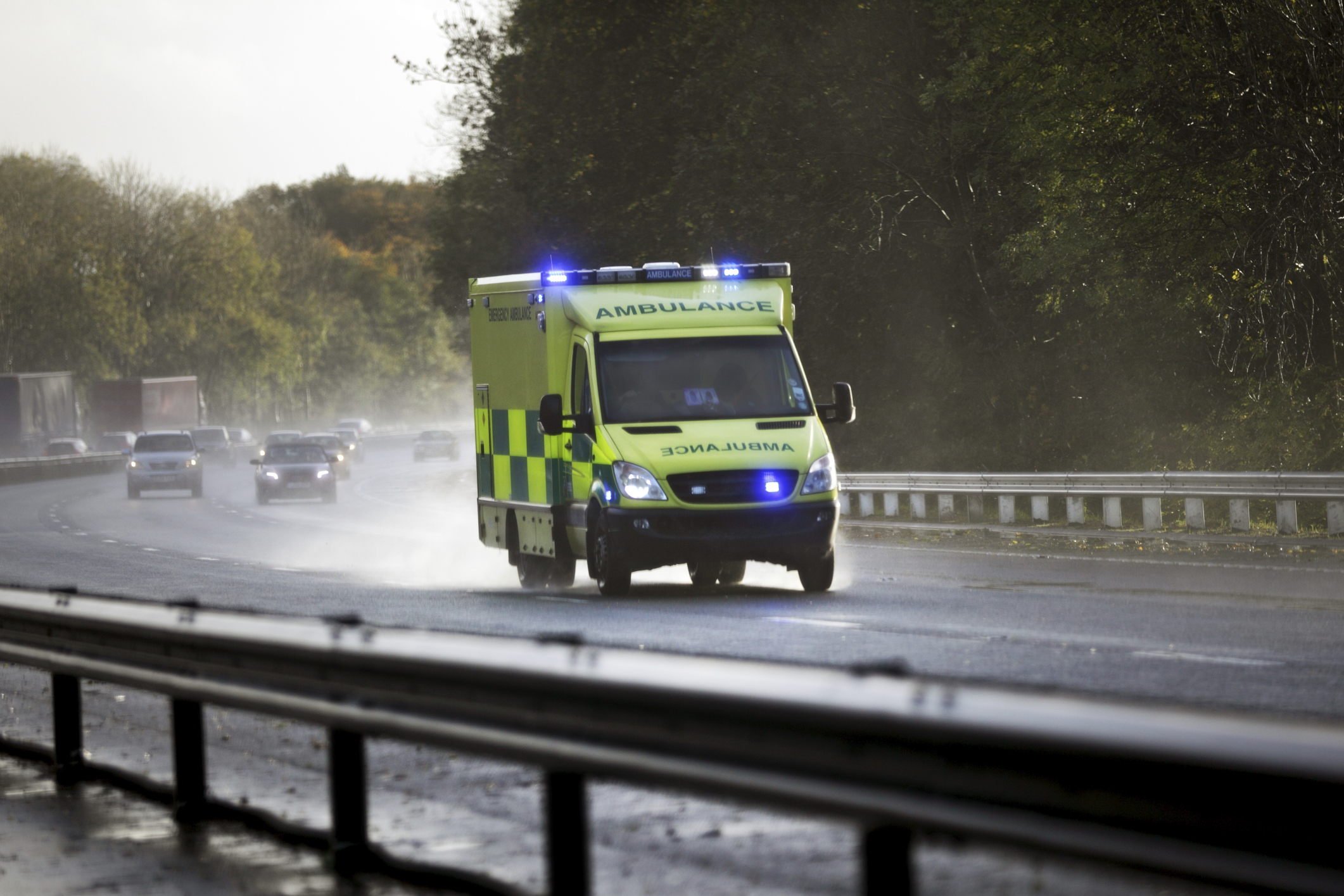
A Sheffield man died after it took an ambulance more than two and a half hours to reach him, it was revealed on Monday (January 9).
The tragedy is just one of a growing litany of examples that highlight the crisis facing the country’s ambulance services, with recent NHS England figures showing that the number of patients who waited for more than an hour after a 999 call almost tripled over the past two years.
The 79-year-old died in November after complaining of chest pains. The emergency call was logged as “potentially serious”, meaning the ambulance should have arrived within 40 minutes.
Sadly, by the time paramedics arrived two hours and 40 minutes later, the man had passed away.
The case was raised in Parliament by the man’s Labour MP, Louise Haigh, who called on health secretary Jeremy Hunt to increase NHS funding to relieve “unprecedented pressure” on emergency services and avoid a “winter crisis”.
The Sheffield MP said, “This tragedy is utterly devastating for the family and there are serious questions for the Yorkshire Ambulance Service. But our dedicated and brilliant paramedics are working all the hours they can to provide a good service, yet both they and the public are being let down by a system in crisis.
“The government promised that the NHS was safe in their hands but we are seeing a funding and community care crisis, made in Downing Street, which is leaving our A&Es under unprecedented pressure as demand reaches record levels. Rather than fiddling the figures, the government must provide the funding they promised to the NHS urgently.
“That in twenty-first century Britain the Red Cross have been called in to help plug the gaps should be a mark of shame on this government. They absolutely have to act before there are any more tragedies,” she added.
Responding in Parliament, Hunt dismissed Haigh’s call for a cash injection to get the system on track, saying there had already been “significant investment” which included 200 new ambulances and 2,000 new paramedics.
Hunt’s claims were challenged by a Unite paramedic from the South East Ambulance Service, who said closures and cut backs across health and care services were heaping pressure on already over-stretched ambulance crews.
Ambulance crews wait in A&E
The paramedic, who wished to remain anonymous, spoke to UNITElive after finishing a night shift that saw him waiting for three hours in a hospital’s A&E department to hand over an elderly patient.
Over the past two years more than 500,000 hours were wasted by ambulance crews queuing at hospitals, while the number of elderly people being forced to wait in A&E departments for 12 hours has more than doubled during the same period.
He said, “I was stood in a corridor for three hours in a queue. There were 10 patients and every patient had two ambulance staff waiting with them. Half of the 20 ambulances on shift were stuck waiting in the queue.
“You’ve got ambulance crews nursing in corridors. It’s the same everywhere. There are a lot of elderly patients, but they’ve closed down community hospitals and cut back on social care. There’s been no reinvestment so it creates bottlenecks at A&Es.”
Chair of Unite’s ambulance national organising committee, Debbie Wilkinson, said it isn’t just getting patients into A&E that is delaying ambulance services.
“As well as queues and bed blocking, we’re getting calls to a lot of failed discharges (where a patient is sent home too early). Then there’s the amount of inappropriate 111 non-emergency calls that we get directed to.
“I’ve also been sat waiting for two hours for an out-of-hours GP to get back to me, when the minimum reply time is supposed to be half an hour,” said Wilkinson, who works for the Yorkshire Ambulance Service.
‘Getting worse’
“There are constant issues and it’s getting worse. The problem is that ambulances rely on hospital and social care services working properly. When they don’t the buck stops with us.”
Unite national officer for health, Sarah Carpenter, said the government needed to open its eyes to the realities on the ground.
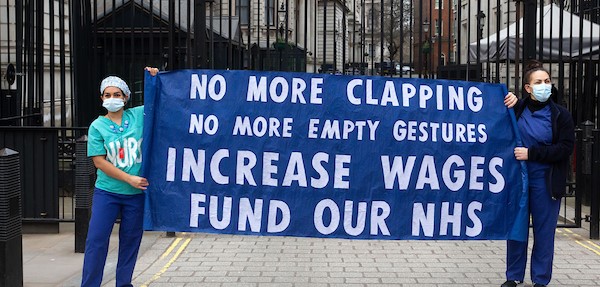
She said, “Ambulance services, as well as the rest of the NHS, are nearing meltdown. The government is in complete denial about the scale of the funding crisis.
“It needs to act now with funds and recruitment to revive failing ambulance services and to help hardworking and dedicated crews who are being pushed to their limits.
“Unfortunately the rest of the NHS, as well as social care, has also been cut to the bone, with knock-on effects across the system. The government needs to act, and act now, to reverse the widespread austerity that has brought the health service to its knees.”